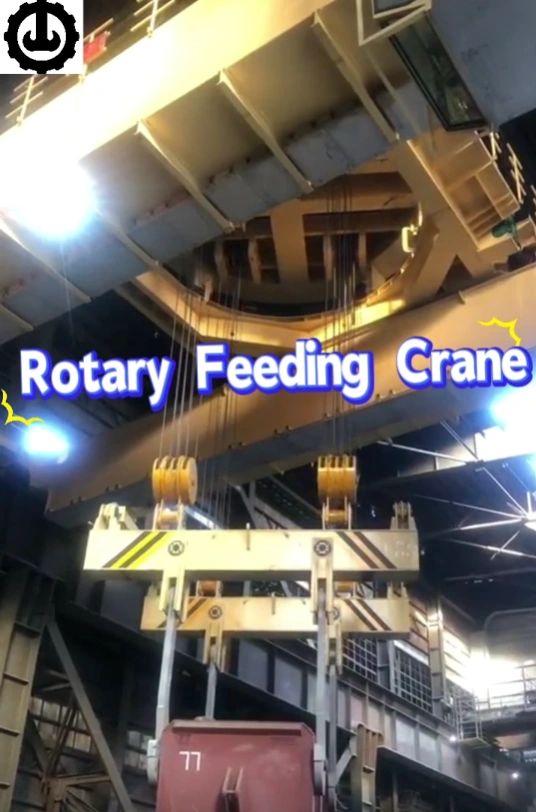
Rotary Feeding Overhead Crane


Introduction
Technical Data
Application
Features
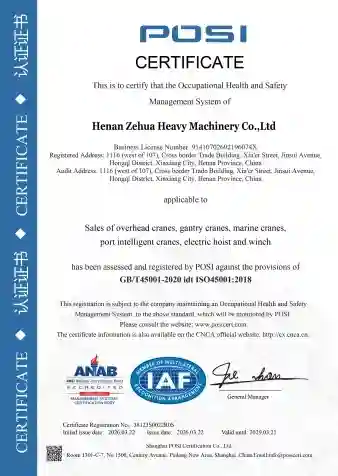
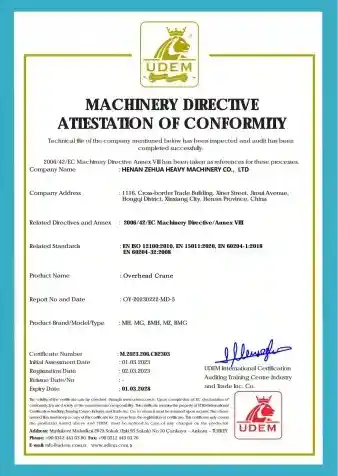
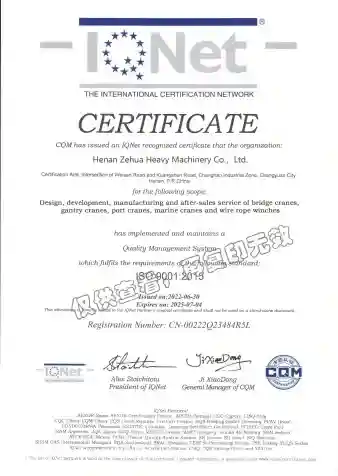
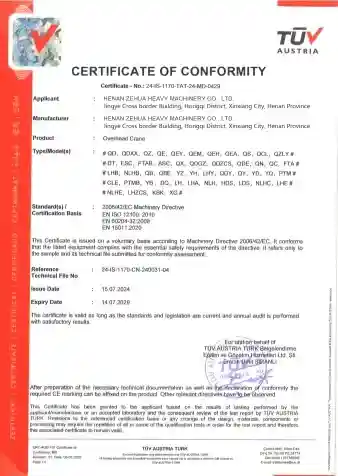
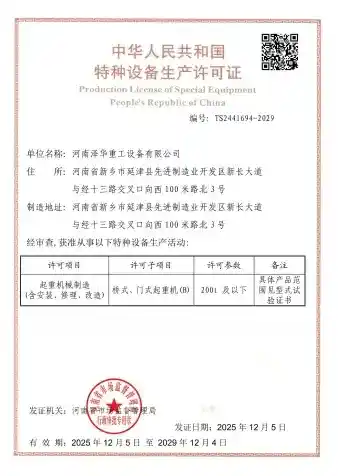
Certificate
Inquiry
PRODUCT INTRODUCTION
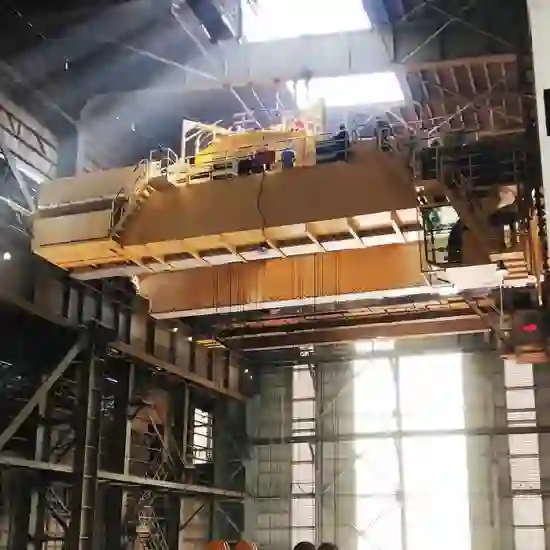
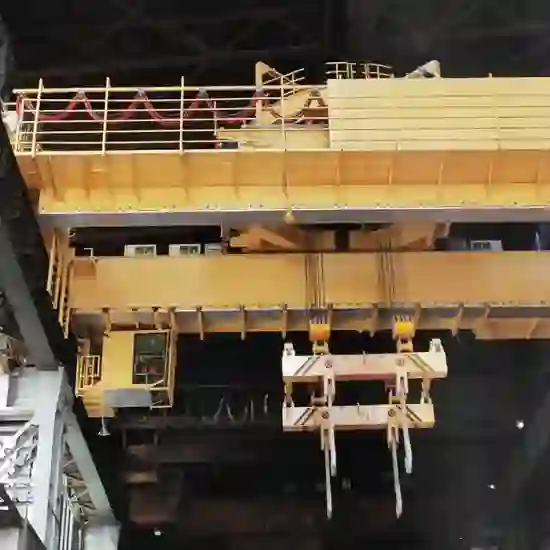
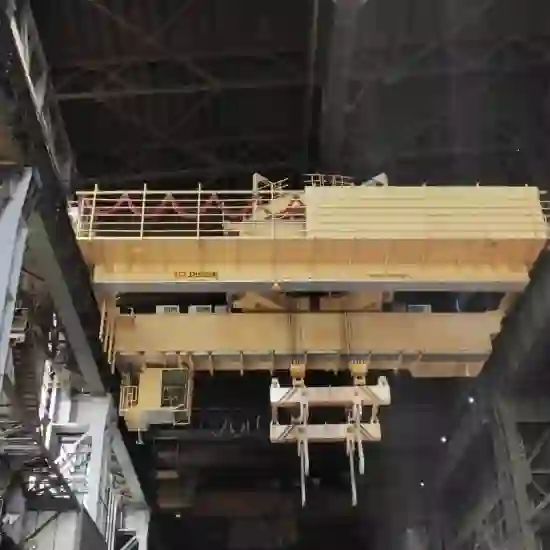
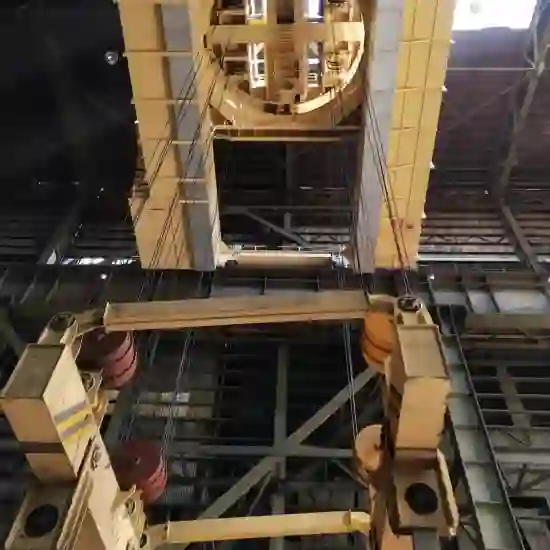
The Rotary Feeding Overhead Crane is a specialized material handling system designed for applications requiring precise positioning, controlled rotation, and efficient feeding of materials into processing equipment. Unlike conventional overhead cranes that provide only linear movement along bridge and trolley axes, the rotary feeding crane incorporates a rotating mechanism—typically integrated into the hoist, trolley, or a dedicated slewing unit—that enables the load to be rotated about its vertical axis. This capability is essential for aligning components, feeding materials into furnaces, positioning workpieces for machining, or orienting loads for assembly.
TECHNICAL DATA
| Parameter | Specification | Parameter | Specification |
|---|---|---|---|
| Product Name | Rotary Feeding Overhead Crane | Lifting Capacity | 5 – 320 tons |
| Span Length | 10.5 – 31.5 m | Lifting Height | 12 – 28.5 m |
| Work Duty Class | A6 – A8 | Rotation Angle | 270° – 330° |
| Core Components | Motor, gearbox, PLC, rotating mechanism | Control Method | Cabin control / Remote control |
| Power Supply | (customizable) | Application | Steelmaking, converter charging, metallurgical industry |
| Certification | ISO, CE, OHSAS (customizable) | Place of Origin | Henan, China |
| Machinery Test Report | Provided | Warranty | 1 Year |
| Video Outgoing Inspection | Provided | Place of Origin | Henan, China |
RELATED PRODUCTS

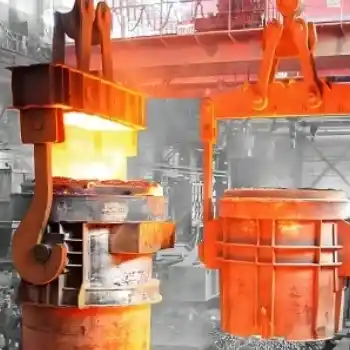
APPLICATION
1. Foundry & Melting Operations Furnace Charging: Rotating scrap charging buckets, pig iron, or alloy materials to align with furnace openings for efficient feeding.Molten Metal Pouring: Rotating ladles to precisely pour molten metal into molds, crucibles, or casting machines with controlled tilt and rotation.Crucible Handling: Positioning and rotating crucibles for metal sampling, slag skimming, and temperature measurement.
2. Heat Treatment & Furnace Operations Furnace Loading: Rotating long workpieces (shafts, bars, pipes, beams) to align with furnace doors and loading tables.Quenching Operations: Rotating hot components during transfer to quenching tanks to ensure uniform cooling and prevent distortion.Atmosphere Furnace Feeding: Positioning and rotating sensitive components for entry into controlled‑atmosphere furnaces.
3. Machining Centers & CNC Operations Workpiece Positioning: Rotating heavy castings, forgings, or fabricated components to align with machine tool spindles, vises, or fixtures.Pallet Loading: Rotating pallets or workpieces to present the correct orientation for CNC machining centers, vertical lathes, and boring mills.Tool & Fixture Installation: Rotating large fixtures, rotary tables, or indexing heads during setup and changeover.
4. Assembly Lines & Manufacturing Cells Component Orientation: Rotating subassemblies, engine blocks, transmission housings, or electric motor frames to align with mating parts.Module Integration: Rotating large modules (dashboard assemblies, chassis frames, battery packs) for assembly from multiple angles.Flip & Rotate Operations: Inverting or rotating heavy assemblies for access to underside components during assembly.