Double Girder Rubber Tyre Gantry Crane


Introduction
Technical Data
Application
Features
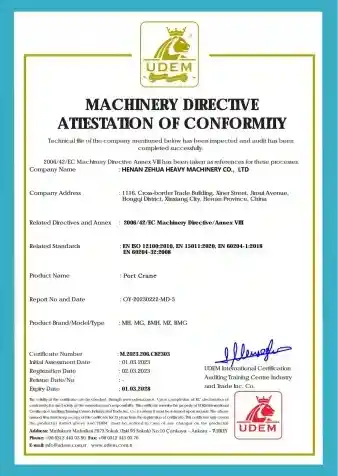
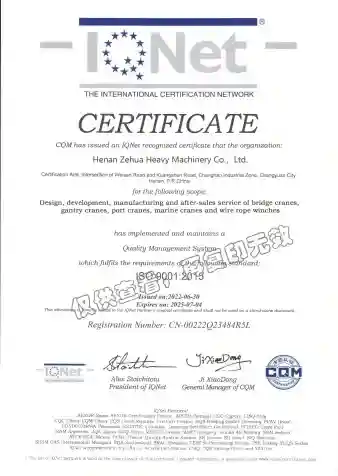
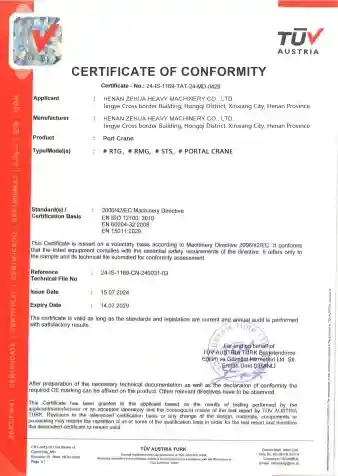
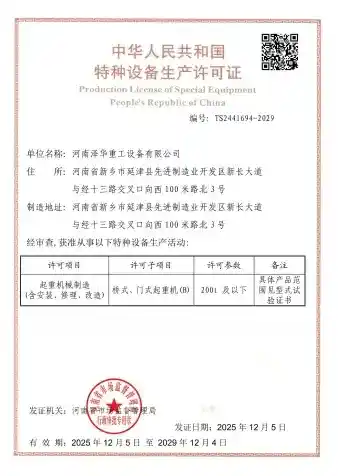
Certificate
Inquiry
PRODUCT INTRODUCTION
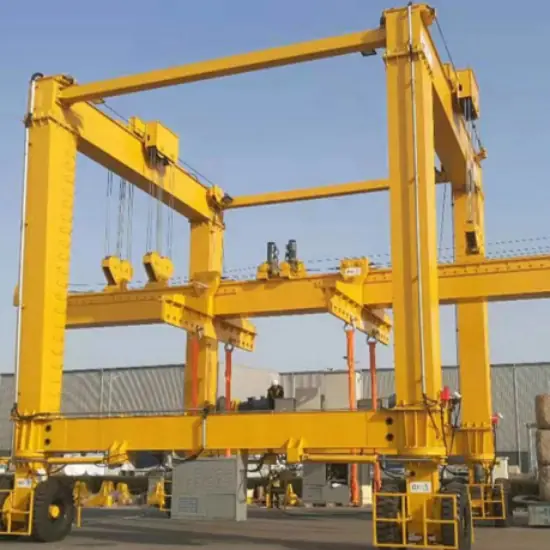
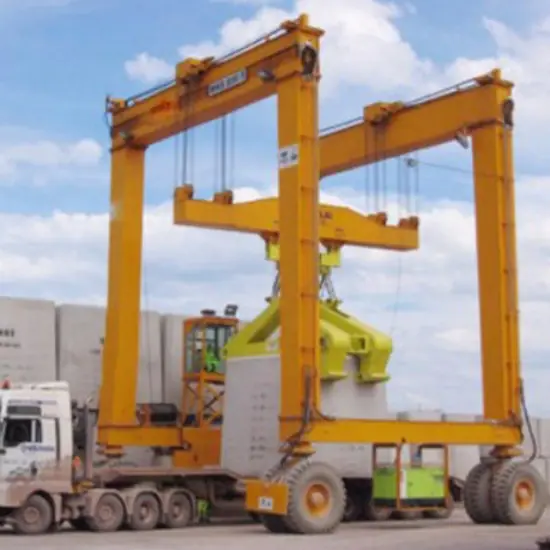
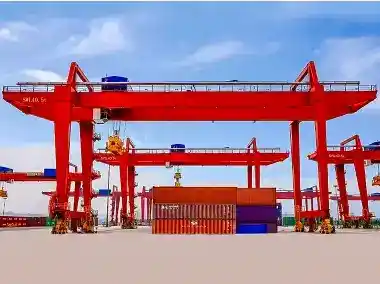
The RTG Double Girder Gantry Crane (Rubber Tyred Gantry Crane) is a highly versatile, mobile container handling system widely used in container terminals, intermodal yards, and logistics hubs for stacking, storing, and transferring intermodal containers. Unlike rail‑mounted gantry cranes (RMG) that require fixed tracks, the RTG operates on rubber tires, providing exceptional mobility and flexibility to reconfigure yard layouts, adapt to changing operational demands, and serve multiple container blocks without the need for complex infrastructure.
TECHNICAL DATA
| Parameter | Specification | Parameter | Specification |
|---|---|---|---|
| Rated Loading Capacity | 4-30T (customizable) | Max. Lifting Height | 10-20m (customizable) |
| Warranty | 1 Year | Machinery Test Report | Provided |
| Video outgoing-inspection | Provided | Core Components | Engine, Gearbox, Motor, Gear |
| Rated Lifting Moment | (customizable) | Span | 18-35M |
| Place of Origin | Henan, China | Weight (KG) | 20000 kg |
| Application | Outdoor | Lifting mechanism | Electric Hoist |
| Type | Double girder overhead gantry crane | Control Method | Remote Control, pendant control |
| Lifting speed | 8m/min | Lifting height | 5-15m |
| After Warranty Service | Field maintenance and repair service | After-sales Service Provided | Field installation, commissioning and training |
RELATED PRODUCTS

APPLICATION
1. Container Terminal Stacking Yards High‑Density Container Stacking: Stacking laden and empty containers (typically 1-over-5 or 1-over-6) in port terminals to maximize yard utilization.Truck & Straddle Carrier Interface: Loading and unloading trucks or straddle carriers at the yard’s landside and waterside transfer zones.Vessel Load Preparation: Retrieving export containers from storage and staging them for loading onto vessels by STS cranes.
2. Intermodal Rail & Inland Terminals Railcar Transfer: Lifting containers directly between railcars (including double‑stack trains) and yard storage or road trucks.Cross‑Docking Operations: Facilitating rapid container transfers between rail and road modes with minimal handling time.Limited Infrastructure: Ideal for inland terminals where rail‑mounted gantry cranes are not feasible due to ground conditions or cost constraints.
3. Empty Container Depots High‑Volume Empty Handling: Stacking empty containers up to 1-over-7 or 1-over-8, maximizing storage capacity in dedicated empty depots.Sorting & Inspection: Moving empty containers to inspection bays, repair areas, or cleaning stations with precise positioning.Fleet Management: Organizing empty containers by size, type, condition, and shipping line for efficient retrieval and dispatch.
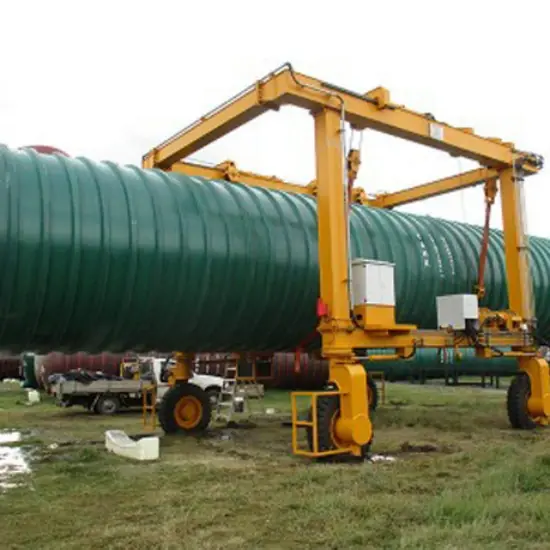
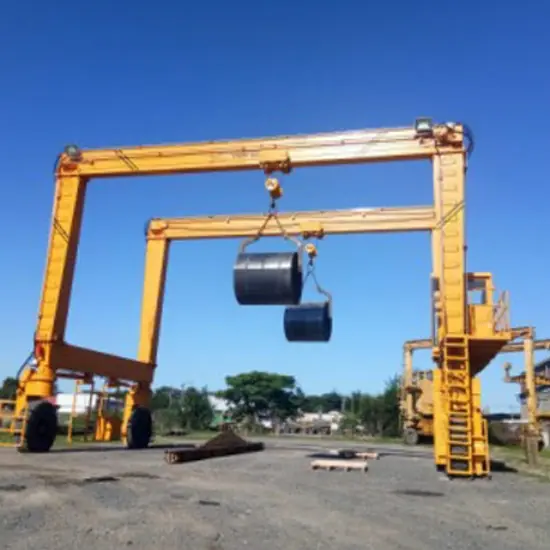
4. Heavy Industry & Project Cargo Yards Oversized & Breakbulk Cargo: Handling large project cargo (wind turbine blades, transformers, steel structures) using spreader beams or specialized lifting attachments.Steel & Coil Storage: Lifting steel coils, plates, and pipes in open yards where rubber‑tyred mobility allows reconfiguration of storage layouts.\r\nHeavy Equipment Handling: Moving heavy machinery, industrial components, and fabricated structures through logistics yards.
5. Logistics Parks & Distribution Centers\r\nContainer Depot Operations: Managing container fleets for leasing companies or shipping lines with high throughput and yard density.\r\nWarehouse Interface: Transferring heavy pallets or oversized goods between warehouse loading docks and storage stacks.\r\nCross‑Dock Facilities: Supporting high‑volume cross‑docking operations with rapid container handling and staging.
6. Port & Terminal Expansion Areas\r\nTemporary Storage: Creating temporary container storage areas during terminal expansion or renovation projects.\r\nOverflow Capacity: Providing additional handling capacity during peak seasons when fixed gantry cranes are at capacity.\r\nMobile Support: Deploying RTGs to new terminal areas before permanent infrastructure is completed.