Single Girder Rubber Tyre Gantry Crane


Introduction
Technical Data
Application
Features
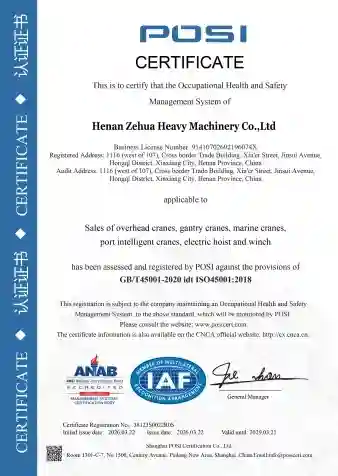
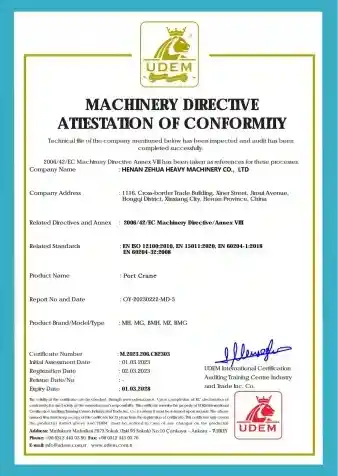
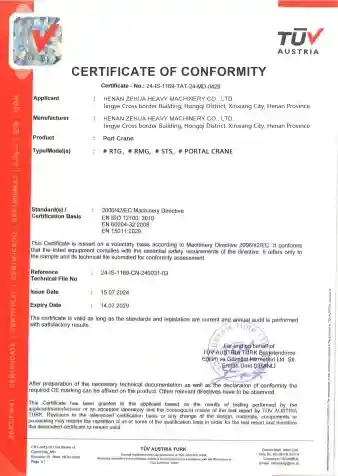
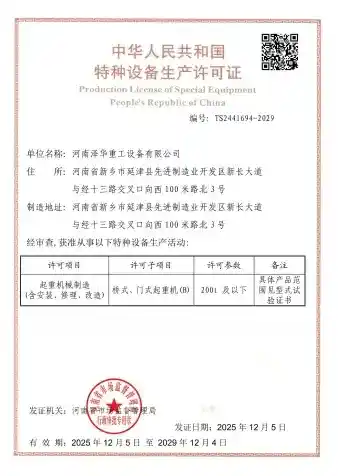
Certificate
Inquiry
PRODUCT INTRODUCTION
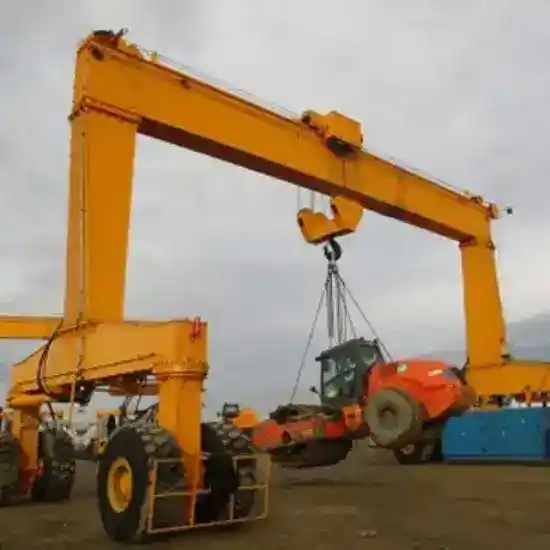
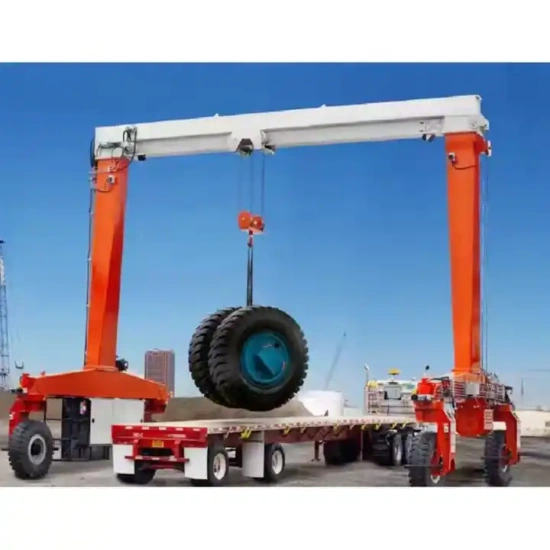
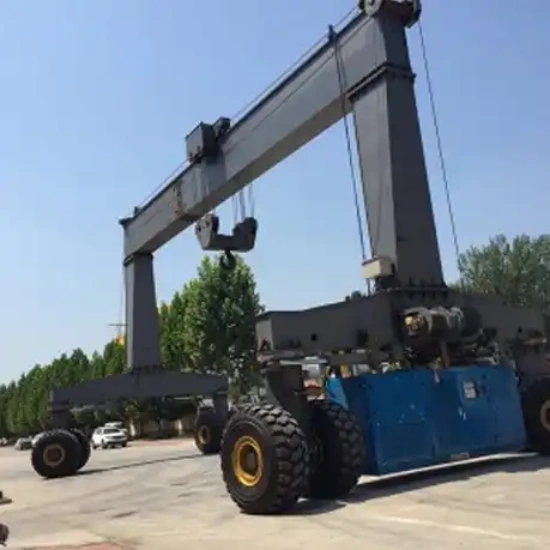
The Single Girder Rubber Tyre Crane is a versatile, mobile material handling solution designed for light to medium lifting applications where flexibility, maneuverability, and cost‑effectiveness are paramount. Combining the structural simplicity of a single girder design with the mobility of rubber‑tyred wheels, this crane offers an ideal balance of lifting capability and operational freedom for a wide range of industries, including warehousing, manufacturing, logistics, construction, and container handling."
TECHNICAL DATA
| Parameter | Specification | Parameter | Specification |
|---|---|---|---|
| Rated Loading Capacity | 5-30ton (customizable) | Max. Lifting Height | 10 m, 20 m (customizable) |
| Warranty | 1 Year | Machinery Test Report | Provided |
| Video outgoing-inspection | Provided | Core Components | Engine, Gearbox, Motor, Gear |
| Rated Lifting Moment | (customizable) | Span | 18-35M |
| Place of Origin | Henan, China | Weight (KG) | 20000 kg |
| Application | Outdoor | Lifting mechanism | Electric Hoist |
| Control Method | Remote Control, pendant control | Lifting speed | 8m/min |
| Lifting height | 5-15m | After Warranty Service | Field maintenance and repair service |
| After-sales Service Provided | Field installation, commissioning and training | Working system | A4 |
RELATED PRODUCTS

APPLICATION
1. Warehouse & Distribution Center Operations Heavy Item Retrieval: Lifting large, bulky items (appliances, furniture, machinery parts) from storage racks that cannot be handled by traditional forklifts.Cross‑Docking Support: Moving palletized goods between receiving and shipping areas with high maneuverability in congested dock zones.Aisle Access: Operating in narrow aisles where traditional forklifts cannot maneuver, using the crane’s compact design and tight turning radius.
2. Manufacturing & Assembly Facilities Workstation Support: Providing localized lifting at individual assembly stations for component installation, reducing manual lifting and operator fatigue.Machine Tending: Lifting raw materials (bars, plates, castings) onto CNC machines, lathes, mills, and presses.Tool & Fixture Handling: Moving heavy vises, rotary tables, jigs, and work holding fixtures between workstations
3. Container Handling & Intermodal Yards Empty Container Stacking: Stacking empty ISO containers (20ft and 40ft) up to 2–3 high in depot areas, offering flexibility without fixed infrastructure.Container Transport: Moving containers between storage areas, truck loading zones, and repair bays.Truck Loading Unloading: Lifting containers directly from truck chassis for storage or transferring export containers onto trucks for outbound delivery.
4. Construction Sites & Job Yards Material Handling: Lifting steel beams, rebar bundles, precast concrete elements, and construction materials across job sites.Equipment Positioning: Moving heavy construction equipment, generators, pumps, and compressors around site layouts.Modular Construction: Handling prefabricated building modules, wall panels, and structural components during assembly.
5. Steel Service Centers & Metal Fabrication\r\nCoil & Plate Handling: Lifting steel coils, plates, sheets, and blanks from storage racks to processing lines.Structural Steel Movement: Transporting beams, channels, angles, and tubes through cutting, welding, and fabrication operations.Pipe & Tube Processing: Handling steel pipes and tubes for cutting, threading, coating, and finishing.
6. Automotive Parts Manufacturing Assembly Line Feeding: Lifting and positioning engine blocks, transmission housings, suspension components, and stamped parts onto assembly stations.Die & Mold Handling: Transporting heavy molds, dies, and tooling between storage and injection molding or stamping presses.Parts Storage: Stacking heavy components in storage racks and retrieving them for production sequencing.